
كيف تتحقق من أن استثمارك متوافق فعليًا مع أحكام الشريعة الإسلامية
إن إطلاق وصف "حلال" (مسموح به بموجب الشريعة الإسلامية) على صندوق استثماري أو سهم ما هو ادعاء يُطرح، وليس ضماناً يُقدَّم. فهذا الوصف يعني أن جهة ما، في مكان ما، طبّقت مجموعة من القواعد وخلصت إلى أن الاستثمار مستوفٍ للشروط. لكنها لا تُبيّن ماهية تلك الضوابط، أو مدى صرامتها، أو الجهة التي أجرت التقييم، أو ما إذا كانت الشركة لا تزال مستوفية للشروط حتى اليوم؟ وبالنسبة للمستثمر المسلم في دولة الإمارات العربية المتحدة، فإن إدراك الفارق بين الوصف التسويقي والامتثال الحقيقي للشريعة أمر بالغ الأهمية، إذ إن الأمرين لا يتطابقان دائمًا.
يستعرض هذا الدليل آلية فحص الاستثمارات المتوافقة مع الشريعة للمستثمرين في دولة الإمارات على أرض الواقع؛ بدءاً من الأنشطة التجارية التي تستبعد الشركة مباشرةً، مروراً بالنسب المالية التي تكشف الحالات الأخرى، ووصولاً إلى آلية التطهير الشرعي التي لا يعلم بها كثير من المستثمرين، فضلاً عن منظومة الحوكمة التي ينبغي أن تستند إليها أي أداة استثمارية متوافقة مع الشريعة. وفي نهاية المطاف، ستكون قادراً على النظر إلى أي استثمار يُوصف بأنه "حلال" وتقييم مدى صحة هذا الادعاء بنفسك.
لماذا لا يكفي وصف "حلال" وحده للحكم على توافق الاستثمار مع الشريعة؟
إن التوافق مع الشريعة ليس معيارًا واحداً ثابتاً؛ فهناك جهات متعددة تضع منهجيات للفحص الشرعي، وهي لا تتفق تماماً فيما بينها. فقد يجتاز سهمٌ ما معايير إحدى الجهات، بينما يُستبعد وفقاً لمعايير جهة أخرى، رغم استناد الطرفين إلى البيانات المالية ذاتها، وذلك لاختلاف الضوابط وحدودها وآليات القياس المعتمدة.
ولا يُعد هذا الاختلاف عيبًا ينبغي التستر عليه، بل يعكس اختلافات علمية معتبرة في كيفية ترجمة مبادئ التمويل الإسلامي إلى معايير رقمية دقيقة. إلا أنه يعني في الوقت نفسه أن المستثمر لا ينبغي أن يتعامل مع وصف "متوافق مع الشريعة" بوصفه ختماً قاطعاً لا يقبل النقاش. والسؤالان الأجدر بالطرح هما: متوافق مع الشريعة وفقاً لمن؟ ومتى جرى آخر فحص؟ وعلى كل من يعتمد على فرز الاستثمارات المتوافقة مع الشريعة في السوق الإماراتي أن يتعامل مع هذا الوصف كنقطة بداية للتحقق، لا كنهاية له.
وهناك بُعد زمني أيضاً، فالشركة التي تجتاز معايير الفحص في هذا الربع قد تتجاوز الحدود المسموح بها في الربع التالي إذا زادت مديونيتها أو تراجع سعر سهمها. لذا، فإن الامتثال ليس حالة ثابتة، بل هدف متغير باستمرار، ولهذا تعتمد المنتجات الأفضل على الفحص المستمر بدلاً من الاكتفاء بفحصٍ واحد عند الإطلاق.
الفحصان اللذان يجب أن يجتازهما كل استثمار متوافق مع الشريعة
تعتمد جميع المنهجيات المعترف بها تقريبًا المنطق ذاته القائم على مرحلتين، سواء صدرت عن هيئة المحاسبة والمراجعة للمؤسسات المالية الإسلامية (أيوفي)، ومقرها البحرين وهي الجهة الرئيسية لوضع معايير التمويل الإسلامي، أو عن مزودي المعايير مثل MSCI وFTSE وS&P Dow Jones، الذين يديرون معاييرهم الخاصة للأسهم المتوافقة مع الشريعة وفق معاييرهم الخاصة. ويجب على الشركة اجتياز الفحصين معًا؛ فاجتياز أحدهما لا يكفي.
الفحص الأول هو فحص النشاط التجاري، ويُعرف أحيانًا بالفحص النوعي. وهو يطرح سؤالًا بسيطًا: ما الذي تفعله هذه الشركة فعليًا لتحقق أرباحها؟ فإذا كان نشاطها الأساسي محظورًا، تُستبعد مباشرة، ولا يمكن لأي تحليل مالي أن يغيّر هذا الحكم.
أما الفحص الثاني فهو الفحص المالي، أو الفحص الكمي. فحتى الشركة العاملة في نشاط مباح يمكن استبعادها إذا كانت تعتمد بشكل مفرط على التمويل بالديون القائمة على الفائدة، أو تحتفظ بحجم كبير من أصولها في الأدوات المدرة للفائدة، أو تحقق نسبة كبيرة من دخلها من مصادر غير مباحة.
وتستند هذه المنهجية إلى أن وجود شركة مساهمة عامة "النقية تمامًا" يكاد يكون أمراً نادراً. فمعظم الشركات المدرجة تتعامل بشكل أو بآخر مع النظام المالي التقليدي، سواء من خلال قرض مصرفي، أو وديعة نقدية تدر فائدة، أو مصدر دخل عرضي محدود. ومن هنا يضع المؤشر المالي حدّاً للتسامح؛ فما دون هذا الحد يُعد عنصراً غير نقيٍّ باعتباره عرضيًا يمكن تطهيره؛ وما فوقه، أما ما يتجاوزه فيُعد تلوثاً كبيراً لا يمكن التغاضي عنه.
فحص الأسهم الحلال: الأنشطة التجارية المحظورة بموجب الشريعة الإسلامية
يستبعد مؤشر النشاط التجاري الشركات التي تتمحور عملياتها الأساسية حول أنشطة محظورة وفق مبادئ التمويل الإسلامي. وتتفق المنهجيات المختلفة إلى حد كبير بشأن القطاعات المحظورة، ومن أبرزها:
الكحول: إنتاجه وتوزيعه وبيعه.
التبغ: تصنيعه والمنتجات المرتبطة به.
الخدمات المالية التقليدية: كالمصارف القائمة على الفائدة، والتأمين التقليدي، وأنشطة الإقراض، لأن دخلها قائم على الربا، وهو محظور في التمويل الإسلامي.
القمار والمراهنات: الكازينوهات، والمراهنات، والعمليات المشابهة المرتبطة بالميسر (المضاربة وألعاب الحظ). ويرتبط بها مفهوم الغرر (الغموض المفرط في العقد)، وهو ما يفسر استبعاد بعض الأدوات شديدة المضاربة أيضًا.
لحم الخنزير والأطعمة غير الحلال: تشمل أنشطة التصنيع والتجهيز والتعبئة والتغليف والتوزيع.
المحتوى الإباحي: المواد الإباحية وما يتصل بها.
الأسلحة والدفاع: تصنيع الأسلحة وتوزيعها، وهي أنشطة تُعد محرمة وفقاً لعدد من المعايير الشرعية.
وتقع بعض القطاعات في منطقة رمادية. فالفندق الذي يحقق معظم إيراداته من تأجير الغرف، بينما يأتي جزء يسير منها من حانة تقدم المشروبات الكحولية، أو شركة الطيران التي تقدم الكحول على متن رحلاتها، لا يُستبعد تلقائياً. بل تنتقل هذه الحالات المختلطة النشاط إلى الفحص المالي، حيث تُقاس الإيرادات غير المباحة وفق حدٍّ معيّن بدلاً من رفضها مباشرة.
وهنا تكمن النقطة التي يخطئ في فهمها كثيرون عند فحص الأسهم الحلال. فعبارة "إنها شركة تقنية، إذن لا بد أنها متوافقة شرعاً" ليست هي الطريقة الصحيحة للتقييم. فقد تخفق شركة التقنيات بسبب ميزانيتها العمومية بالسهولة نفسها التي تُخفق بها شركة تصنيع مشروبات كحولية بسبب طبيعة نشاطها. وفي المقابل، قد تجتاز الفحص شركة تعمل في قطاع نظيف لديها تدفق إيرادات محرمة محدود، ما دامت الإيرادات ضمن الحدود المسموح بها.
الفحص المالي الشرعي: نسب الديون والإيرادات التي تحدد مدى الامتثال
وهنا تتباين المنهجيات، وهنا أيضاً تبرز أهمية أن يدرك المستثمر ما الذي يجري قياسه فعلياً. وتؤدي ثلاث نسب رئيسية معظم هذا الدور.
نسبة الدين
لا ينبغي أن تعتمد الشركة اعتمادًا مفرطًا على التمويل بالديون القائمة على الفائدة. ويحدد معيار هيئة المحاسبة والمراجعة للمؤسسات المالية الإسلامية (أيوفي) الشائع هذه النسبة بأقل من 30%: أي أن إجمالي الديون القائمة على الفائدة يجب أن يقل عن 30% من القيمة السوقية للشركة، أي إجمالي القيمة السوقية لجميع أسهمها.
النقد والأوراق المالية المدرة للفائدة
لا ينبغي أن تحتفظ الشركة بحصة كبيرة من قيمتها في أدوات مدرة للفائدة. ووفق مؤشر هيئة المحاسبة والمراجعة للمؤسسات المالية الإسلامية (أيوفي)، يجب أن يظل مجموع النقد والأوراق المالية المدرة للفائدة أيضًا أقل من 30% من القيمة السوقية.
الإيرادات غير المباحة (حد الإيرادات المسموح به)
يجب أن تبقى الإيرادات المتأتية من مصادر محرمة، بما في ذلك عوائد الفائدة وأي مصادر دخل غير مباحة، دون حدٍّ أقصى يبلغ 5% من إجمالي الإيرادات. وهذا هو الحد الذي يحكم حالات الأنشطة المختلطة المشار إليها في الفحص القطاعي؛ فالفندق الذي يحقق 3% من إيراداته من الحانة التابعة له قد يجتاز الفحص، أما إذا بلغت تلك النسبة 8% فلن يكون مؤهلاً لذلك.
وتُختصر هذه النسب أحيانًا في "قاعدة 30/30/5"، وهي مستمدة من المعيار الشرعي رقم 21 الصادر عن هيئة المحاسبة والمراجعة للمؤسسات المالية الإسلامية (أيوفي). ومن الجدير بالذكر أن أحد المتطلبات السابقة لدى الهيئة، يقضي بحد أدنى لنسبة الأصول الملموسة، بموجب معيار الشريعة رقم 59، لذا لم يعد الفحص الشرعي الحالي للأسهم يفرض حدًا أدنى منفصلًا للأصول الملموسة. كما أن المعايير الشرعية تتطور بمرور الوقت، وهو ما يجعل التحقق من الإصدار الذي يعتمد عليه مزود الخدمة أمرًا بالغ الأهمية.
لماذا قد يختلف اثنان من مزودي الفحص الشرعي بشأن السهم نفسه؟
مصدر الالتباس الأكثر شيوعًا هو المقام (المقياس المرجعي) المستخدم في النسبة. فمؤشر هيئة المحاسبة والمراجعة للمؤسسات المالية الإسلامية (أيوفي) يقيس الدين والأصول المدرة للفائدة مقارنةً بالقيمة السوقية للشركة. في حين تقيس سلسلة مؤشرات MSCI الإسلامية البنود ذاتها مقارنةً بإجمالي الأصول (أي نسبة الدين إلى الأصول بدلًا من نسبة الدين إلى القيمة السوقية)، مع اعتماد حد أقصى يبلغ 33.33% بدلًا من 30%. أما FTSE فتستخدم كذلك إجمالي الأصول وحدًّا قدره 33.33%، مع إضافة اختبار خاص بالذمم المدينة.
قد يبدو هذا تفصيلًا تقنيًا، لكن أثره ملموس. فالقيمة السوقية تتغير تبعًا لتحركات سعر السهم، بينما يتغير إجمالي الأصول وفقًا للميزانية العمومية. ومن ثم، قد تتجاوز شركة ذات ديون مستقرة نسبة الدين وفق مؤشر الهيئة لمجرد انخفاض سعر سهمها، ما يرفع نسبة الدين إلى القيمة السوقية، بينما تظل متوافقة تمامًا وفق مؤشر MSCI القائم على إجمالي الأصول. ولم يتغير شيء في نشاط الشركة نفسه؛ إنما تغيّر فقط المقياس المستخدم.
لذلك، عندما يقرر أحد التطبيقات أن سهمًا ما متوافق مع الشريعة بينما يرى تطبيق آخر خلاف ذلك، فليس بالضرورة أن يكون أحدهما مخطئًا. فكلاهما يطبق مجموعة مختلفة من القواعد المتسقة داخليًا. وتتمثل مهمة المستثمر في معرفة المرجعية التي يعتمدها المنتج الاستثماري، وما إذا كانت تتوافق مع تفضيله العلمي الخاص.
وفيما يلي مقارنة موجزة بين أبرز المعايير. ونظرًا إلى أن الحدود والنصوص التفصيلية تخضع للمراجعة والتحديث بصورة دورية، فينبغي النظر إلى هذه المقارنة بوصفها دليلًا استرشاديًا لا مرجعًا نهائيًا للأحكام السارية.
المعيار | المقام (المرجع) | حد الدين | النقد والأوراق المالية المدرة للفائدة | الدخل غير المباح | ملاحظات إضافية |
معيار هيئة المحاسبة والمراجعة للمؤسسات المالية الإسلامية (أيوفي) (المؤشر رقم 21) | القيمة السوقية | أقل من 30% | أقل من 30% | أقل من 5% | إلغاء شرط الحد الأدنى للأصول الملموسة بموجب المؤشر رقم 59 |
معيار MSCI الإسلامي | إجمالي الأصول | 33.33% أو أقل | 33.33% أو أقل | أقل من 5% | تطبيق حد أدنى 30% عند إضافة مكونات جديدة |
معيار FTSE الشرعي | إجمالي الأصول | أقل من 33.33% | أقل من 33.33% | أقل من 5% | إضافة اختبار للذمم المدينة (النقد + الذمم المدينة أقل من 50%) |
معيار S&P Dow Jones الإسلامي | متوسط القيمة السوقية خلال 36 شهرًا | أقل من 33.33% | أقل من 33.33% | أقل من 5% | استخدام متوسط القيمة السوقية لتخفيف أثر التقلبات |
والنمط الجدير بالملاحظة هو أن حد الدخل غير المباح البالغ 5% شبه معتمد عالميًا، لكن النسب المالية، والأهم من ذلك المقام الذي تُقاس إليه تلك النِّسب، هي موضع الاختلاف بين المعايير
الفحص الشرعي عمليًا: مثال توضيحي وفق معايير هيئة المحاسبة والمراجعة للمؤسسات المالية الإسلامية (أيوفي)
لنأخذ شركة مدرجة افتراضية لنرى تسلسل الفحص الشرعي.
لنفترض أنها شركة مصنعة للإلكترونيات الاستهلاكية. في مرحلة فحص النشاط، تبدو الصورة واضحة؛ إذ إن تصنيع الأجهزة الإلكترونية وبيعها نشاطٌ مباح، ومن ثم تجتاز الشركة المرحلة الأولى. ننتقل بعد ذلك إلى المؤشرات المالية، مع اعتماد منهج القيمة السوقية وفق معايير هيئة المحاسبة والمراجعة للمؤسسات المالية الإسلامية (أيوفي)، وافتراض أن القيمة السوقية للشركة تبلغ 100 مليار دولار.
إذا بلغت الديون القائمة على الفائدة 24 مليار دولار، فإن نسبة المديونية تساوي 24%، أي أقل من الحد البالغ 30%، ومن ثم تجتاز المعيار. وإذا بلغت قيمة النقد والأوراق المالية المدرة للفائدة 20 مليار دولار، فإن النسبة تكون 20%، وهي أيضاً دون حد 30%، فتجتاز المعيار. ولنفرض كذلك أن 2% من إجمالي دخل الشركة ناتج عن فوائد متحصلة من احتياطياتها النقدية، وهي نسبة تقل عن الحد الأقصى البالغ 5%، ومن ثم تجتاز المعيار.
الفحص | بيانات الشركة | حد هيئة المحاسبة والمراجعة للمؤسسات المالية الإسلامية (أيوفي) | النتيجة |
النشاط التجاري | تصنيع الإلكترونيات | يجب أن يكون مباحًا | اجتياز |
نسبة الدين إلى القيمة السوقية | 24 مليار / 100 مليار دولار = 24% | أقل من 30% | اجتياز |
النقد والأوراق المالية المدرة للفائدة | 20 مليار / 100 مليار دولار = 20% | أقل من 30% | اجتياز |
Impermissible income | 2% من إجمالي الدخل | أقل من 5% | اجتياز |
هذه الأرقام توضيحية اختيرت لبيان آلية التطبيق فقط. أما الفحص الفعلي فيعتمد على البيانات المالية المدققة والأرقام الفعلية المعلنة من الشركة.
الشركة إذن متوافقة مع الشريعة وفق معايير هيئة المحاسبة والمراجعة للمؤسسات المالية الإسلامية (أيوفي). لكن لاحظ الرقم الأخير: فهي لا تزال تحقق 2% من دخلها من الفائدة. وهذا الدخل لا يجعل الشركة غير متوافقة مع الشريعة، لكنه في الوقت ذاته لا يتلاشى تلقائيًا، بل يتعين التعامل معه وتصفيته، الأمر الذي يقودنا إلى الخطوة الكبرى التي يغفل عنها معظم المستثمرين.
التطهير: الخطوة التي يغفل عنها معظم المستثمرين
إذا كانت الشركة المتوافقة شرعيًا تحقق قدرًا بسيطًا من الدخل غير المباح، فإن الجزء من عائدك المرتبط بذلك الدخل ليس ملكًا لك للاحتفاظ به. وتُعرف عملية التخلص منه بـ"التطهير"، وهي التزام حقيقي – وفق معظم الآراء الفقهية – وليست إجراءً اختياريًا.
وحساب التطهير بسيط من حيث المبدأ. فأنت تحسب النسبة المئوية من دخل الشركة التي أتت من مصادر غير مباحة، وتطبق هذه النسبة على الأرباح الموزعة أو العائد الذي حصلت عليه، ثم تتبرع بذلك المبلغ للأعمال الخيرية. فإذا حققت شركة 2% من دخلها من الفائدة، وحصلت أنت على 500 دولار كأرباح موزعة، فإن نحو 10 دولارات من ذلك المبلغ تُعتبر غير طاهرة، وينبغي التبرع بها بدلًا من الاحتفاظ بها.
وتختلف المنهجيات في التفاصيل. فبعضها يشترط التطهير فقط على الأرباح الموزعة الفعلية؛ في حين يشترط منهج هيئة المحاسبة والمراجعة للمؤسسات المالية الإسلامية (أيوفي) التطهير بصرف النظر عن توزيع الأرباح من عدمه، استنادًا إلى قاعدة أن الدخل غير المشروع قائم وموجود سواء وُزِّع أم لا. وتُعامل الأرباح الرأسمالية معاملة مختلفة، إذ ينقسم العلماء حول ما إذا كانت بحاجة إلى تطهير من الأساس.
والنقطة العملية للمستثمر هي: أن الأداة الاستثمارية التي تقتصر على الفحص الشرعي للاستثمارات للتحقق من الامتثال لكنه لا يقدم آلية للتطهير، إنما ينجز نصف المهمة فقط. بل إن بعض المنصات تحسب مبلغ التطهير نيابة عنك، أو تتولى الأمر مباشرة، فلا تُترك لتقدّره بنفسك. (وكيفية الإفصاح عن دخل الأرباح الموزعة والتعامل معه مسألة ذات صلة يُستحسن التحقق منها مع منصتك.) وحين تقيّم منتجًا "حلالًا"، اسأل عمّا يفعله بشأن التطهير. فالإجابة تكشف مدى جدية التزامهم بالمعايير الشرعية.
هيئات الرقابة الشرعية وشهادات الفتوى: من يمنح صك المشروعية للاستثمار الحلال؟
لا تكتسب منهجية الفرز مصداقيتها إلا بقدر مصداقية العلماء الذين يقفون خلفها. وهنا تزن الحوكمة أكثر من أي نسبة منفردة.
فأي منتج استثماري جاد ومتوافق مع الشريعة يخضع لإشراف هيئة رقابة شرعية: وهي لجنة تضم نخبة من علماء التمويل الإسلامي المؤهلين، يراجعون المنهجية، ويعتمدون قواعد الفحص، ويصدرون شهادة اعتماد مستمرة. وعادة ما تأخذ مصادقتهم في صورة "فتوى شرعية"، وهي حكم شرعي رسمي يفيد بأن المنتج يتوافق مع مبادئ التمويل الإسلامي. فمن دون ذلك، يظل الوصف "حلال" مجرد ادعاء من الشركة التي تبيع المنتج.
وعند تقيّم أي مزوّد، ابحث عن إجابات واضحة عن أربعة أسئلة: من هم أعضاء الهيئة الشرعية، وما مؤهلاتهم؟ وما المؤشر الذي يعتمده المنتج في الفحص، معيار هيئة المحاسبة والمراجعة للمؤسسات المالية الإسلامية (أيوفي) أم معيار MSCI أم غيرهما؟ وما مدى تكرار إعادة فحص الأصول والأسهم، بالنظر إلى أن الامتثال يتغير مع الوقت؟ وهل توجد فتوى أو شهادة منشورة يمكنك فعليًا الاطلاع عليها، بدلًا من مجرد تطمين غامض؟
وفي دولة الإمارات العربية المتحدة، تحمل مسألة الحوكمة هذه ثقلًا تنظيميًا إلى جانب ثقلها الديني. فالشركات التي تقدم خدمات مالية إسلامية بموجب ترخيص سلطة دبي للخدمات المالية تعمل ضمن إطار تنظيمي محدد، ويمكنك التحقق من ترخيص أي شركة عبر السجل العام لسلطة دبي للخدمات المالية. ويُتوقع من العروض المتوافقة مع الشريعة أن تستند إلى رقابة إشرافية سليمة، لا إلى تصريح ذاتي. وهذا المزيج الفريد بين الرقابة الشرعية والمنظومة القانونية المالية، هو أقوى ضمان يمكن أن يطلبه المستثمر.
معايير التمويل الإسلامي في دولة الإمارات: معيار هيئة المحاسبة والمراجعة للمؤسسات المالية الإسلامية (أيوفي) ومعيار MSCI وما ينبغي توقعه
بالنسبة للمستثمرين الذين يطبقون معايير التمويل الإسلامي في دولة الإمارات، بلغ السوق المحلي درجة من النضج بات معها توفر خيارات موثوقة ومتوافقة مع الشريعة على نطاق واسع، لكن المستوى ذاته من التدقيق يظل مطلوبًا.
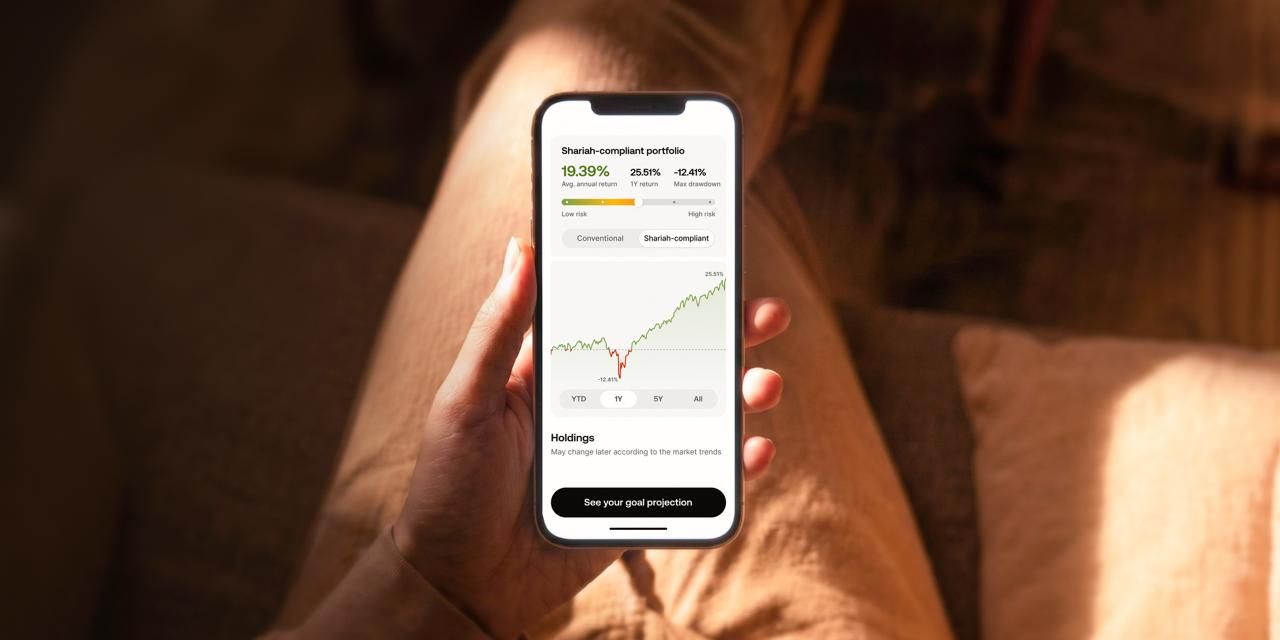
ينبغي لأي منصة إماراتية مرخصة تقدم محافظ استثمارية مخصصة ومتوافقة مع الشريعة أن تكون قادرة، دون تردد، على إخبارك بمعيار الفحص الشرعي الذي تعتمده، والجهة التي تصادق على محافظها، وكيفية الحفاظ على الامتثال بين المراجعات. وعلى سبيل المثال، تعتمد المحافظ المتوافقة مع الشريعة لدى شركة CUSP Wealth إلى أكثر من 1,300 سهم وصناديق المؤشرات المتداولة، بحيث تعتمد هيئتها الرقابية الشرعية منهجية الفحص، مع حصولها على فتوى وشهادة اعتماد رسمية صادرتين عن شركة أماني للاستشارات، وهي شركة مستقلة متخصصة في الاستشارات الشرعية للمنصة نفسها. كما يُطبَّق الفحص بصورة مستمرة لضمان بقاء الاستثمارات متوافقة مع الشريعة رغم التغيرات التي قد تطرأ على الأوضاع المالية للشركات. وتعمل CUSP أيضاً بموجب اعتماد إسلامي صادر عن سلطة دبي للخدمات المالية، وهو الإطار التنظيمي الذي يتيح لشركات مركز دبي المالي العالمي تقديم الخدمات المالية الإسلامية من الأساس.
وهذا هو الهيكل الذي ينبغي البحث عنه بشكل عام، بصرف النظر عن المزوّد: هيئة رقابة شرعية معروفة الأسماء ومؤهلة، ومعيار فحص مُفصح عنه، وآلية رقابة مستمرة بدلًا من فحص لمرة واحدة، وترخيص تنظيمي يقف خلف العرض الإسلامي. فالمنصة التي تستطيع الإشارة إلى هذه العناصر الأربعة تقدم شيئًا يمكن للمستثمر الاعتماد عليه. أما المنصة التي تكتفي بشارة خضراء تقول حلال" ولا شيء آخر، فإنها تطلب ثقة لم تكتسبها بعد.
اطّلع على كيفية هيكلة محافظ CUSP المعتمدة شرعيًا، واستكشف أي ملف استثماري يناسب أهدافك. ← https://cuspwealth.com/islamic-investing
قائمة التحقق من الامتثال للشريعة: أسئلة ينبغي لكل مستثمر في الإمارات طرحها
حين تقرر ما إذا كانت منصة ما متوافقة فعليًا مع الشريعة، تناول الأسئلة التالية بالتسلسل:
ماذا تفعل الشركة أو الصندوق فعليًا؟ إذا كان النشاط الأساسي محظورًا، فلا شيء آخر يهم.
ما المعيار المالي الذي يحكم عملية الفحص، وهل يتوافق مع تفضيلك الفقهي؟ فمعايير هيئة المحاسبة والمراجعة للمؤسسات المالية الإسلامية (أيوفي) والمنهجيات القائمة على المؤشرات تختلف في الحدود والنِّسب وآليات الاحتساب، وبالتالي يختلف تبعاً لذلك تصنيف الأسهم المؤهلة.
ما النسب الفعلية، وما مدى قربها من الحدود؟ فالشركة التي تقف عند نسبة دين 29% متوافقة من الناحية الفنية، لكنها تقترب كثيراً من تجاوز الحد المقرر.
هل توجد آلية للتطهير، وهل تتولى المنصة حسابها أو تنفيذها نيابة عنك؟
من الجهة التي صادقت على المنتج؟ وهل يمكنك الاطلاع على الفتوى أو شهادة الاعتماد؟
كم مرة تتم إعادة فحص الامتثال؟ فإجراء فحص واحد عند إطلاق المنتج لا يخبرك شيئاً عن وضعه الحالي.
لا يتطلب أي من ذلك أن تصبح عالمًا فقيهًا أو محللًا ماليًا. بل يتطلب منك طرح أسئلة أفضل من مجرد "هل هذا حلال؟"، وتوقّع إجابات محددة. فالمزوّد الذي يأخذ الامتثال الشرعي على محمل الجد ستكون لديه هذه الإجابات جاهزة. أما الذي لا يفعل، فسيكتفي بالوصف ويأمل ألا تطرح المزيد من الأسئلة.
الأسئلة الشائعة: الاستثمار المتوافق مع الشريعة في دولة الإمارات
ما المقصود بفحص التوافق مع الشريعة الإسلامية؟
هو عملية التحقق من مدى توافق الاستثمار مع مبادئ التمويل الإسلامي. ويتم الفحص على مرحلتين: الأولى مراجعة نشاط الشركة لاستبعاد الشركات العاملة في القطاعات المحظورة، مثل الكحول والخدمات المصرفية التقليدية والمقامرة، والثانية مراجعة المؤشرات المالية لقياس حجم الديون، والأصول المدرة للفوائد، والإيرادات غير المباحة مقارنة بحدود ومعايير محددة. ولا يُعد الاستثمار متوافقاً مع الشريعة إلا إذا اجتاز المرحلتين معاً.
كيف تختلف معايير فحص الأسهم الحلال بين الجهات المختلفة؟
يكمن الاختلاف الرئيسي في النسب المعيارية والمقياس المستخدم للمقارنة. فمعيار هيئة المحاسبة والمراجعة للمؤسسات المالية الإسلامية (أيوفي) يقيس الديون والأصول المدرة للفوائد مقارنة بالقيمة السوقية للشركة، مع حد أقصى يبلغ 30%، بينما تعتمد مؤشرات مثل MSCI وFTSE القياس مقارنة بإجمالي الأصول، بحد أقصى قدره 33.33%. ونظراً لتقلب أسعار الأسهم واستقرار الميزانيات العمومية نسبياً، فقد تجتاز الشركة معياراً معيناً وتخفق في آخر. ولهذا تكتسب المعايير التي يعتمدها المنتج أهمية لا تقل عن النتيجة التي يخلص إليها.
ما المعايير المعتمدة للتمويل الإسلامي في دولة الإمارات العربية المتحدة؟
تعمل الشركات التي تقدم منتجات مالية إسلامية في دولة الإمارات ضمن الأطر التنظيمية للجهات الرقابية المختصة، مثل سلطة دبي للخدمات المالية في مركز دبي المالي العالمي، وعادةً ما تعتمد معايير معترفاً بها مثل معايير هيئة المحاسبة والمراجعة للمؤسسات المالية الإسلامية (أيوفي)، إلى جانب الإشراف من هيئة رقابة شرعية. وتُعد الهيئة المرجع الأكثر انتشاراً لوضع معايير التمويل الإسلامي على مستوى المنطقة، كما تُستخدم معاييرها الخاصة بفحص الأسهم على نطاق واسع في المنتجات المتوافقة مع الشريعة في دولة الإمارات. وينبغي أن يفصح أي منتج متوافق مع الشريعة في الإمارات عن معيار الفحص المعتمد وآلية الحوكمة الشرعية التي يخضع لها.
هل ما زلت بحاجة إلى تطهير الدخل من سهم متوافق مع الشريعة؟
في كثير من الحالات، نعم. فقد تحقق الشركة المتوافقة مع الشريعة قدراً محدوداً من الإيرادات الناتجة عن الفوائد أو غيرها من المصادر غير المباحة، بما لا يتجاوز نسبة 5% المقررة. ويجب التبرع بالجزء من العائد المرتبط بهذه الإيرادات للأعمال الخيرية بدلاً من الاحتفاظ به. وتوفر بعض المنصات آليات لحساب هذا التطهير أو تنفيذه نيابةً عن المستثمر؛ أما إذا كان المنتج لا يقدم أي آلية للتطهير، فإنه لا يؤدي سوى جزء من المهمة المطلوبة.
كيف يمكنني التحقق من صحة شهادة الفتوى؟
اطلب الاطلاع على وثيقة الاعتماد، وتأكد من أنها تتضمن أسماء العلماء أو هيئة الرقابة الشرعية التي أصدرتها، وتحقق من أن هؤلاء العلماء معترف بهم في مجال التمويل الإسلامي. فالجهات الموثوقة تنشر فتواها أو شهادة اعتمادها وتُفصح عن أعضاء هيئتها الشرعية. أما الادعاء المبهم بأن المنتج "معتمد شرعياً" من دون ذكر أسماء العلماء أو إرفاق وثيقة داعمة، فلا يُعد بمثابة شهادة اعتماد حقيقية.
الخلاصة
يقوم الاستثمار المتوافق فعليًا مع الشريعة على أكثر من مجرد وصف. فهو يعتمد على نشاط تجاري مباح، وأوضاع مالية تبقى ضمن الحدود المعترف بها، ودخل غير طاهر يتم تحديده وتطهيره، وعلماء مؤهلين يصادقون على الترتيب بأكمله ويواصلون التحقق منه. والمعايير ليست موحدة عبر هذا القطاع، وهذا بالتحديد ما يجعل العبء يقع على عاتق المستثمر لفهم أي معيار ينطبق ومدى صرامة تطبيقه.
والخبر الجيد أن هذه الأسئلة قابلة للإجابة، وأن مقدمي الخدمة الموثوقين يرحبون بها. فالاستثمار القائم على الإيمان والحرص المالي لا يتعارضان هنا، بل يتجهان في الاتجاه ذاته: اعرف ما تملكه، واعرف من يضمنه، واعلم أن هناك من لا يزال يراقب بعد أن تستثمر.
هذه المادة مقدمة لأغراض معلوماتية وتثقيفية فقط، ولا تشكل مشورة مالية أو استثمارية أو شرعية. وتختلف منهجيات ومعايير التوافق مع الشريعة بين الجهات المعيارية والعلماء؛ لذا ينبغي للمستثمرين الراغبين في الحصول على فتوى تتعلق بظروفهم الخاصة استشارة عالم أو مستشار مؤهل في التمويل الإسلامي. وتُقدَّم الخدمات المالية الإسلامية وفقاً للمبادئ الإسلامية، وقد جرى هيكلتها بموجب الاعتماد الإسلامي الصادر للشركة من سلطة دبي للخدمات المالية، فيما ترد التفاصيل الكاملة الخاصة بالتوافق مع الشريعة في الشروط والأحكام الخاصة بالشركة. ولا يلغي التوافق مع الشريعة مخاطر الاستثمار، كما أن شهادة التوافق الشرعي لا تُعد نصيحة استثمارية ولا تضمن تحقيق عوائد. وتنطوي جميع الاستثمارات على مخاطر، بما في ذلك احتمال خسارة رأس المال. ولا يُعد الأداء السابق مؤشراً على النتائج المستقبلية. وتخضع شركة Cusp Wealth Ltd لتنظيم سلطة دبي للخدمات المالية بموجب ترخيص من الفئة الرابعة واعتماد من السلطة لتقديم خدماتها لعملاء التجزئة، وذلك بموجب الترخيص رقم 10863 والمرجع رقم F011420. وتقتصر هذه الخدمات على عملاء التجزئة الخاضعين لتنظيم سلطة دبي للخدمات المالية والمقيمين في مركز دبي المالي العالمي. وتُطبق الشروط والأحكام.